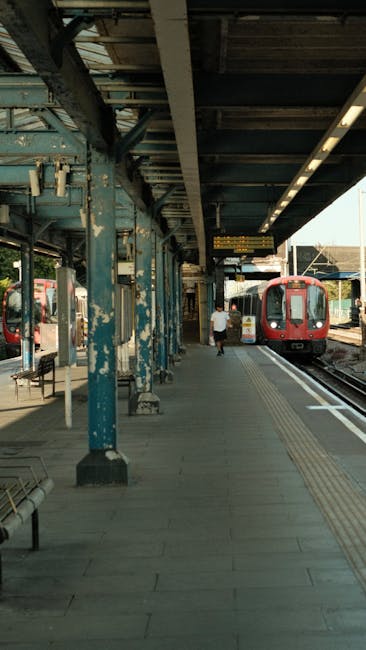
West Hampstead station access guide for removal vans
Posted on 18/06/2026
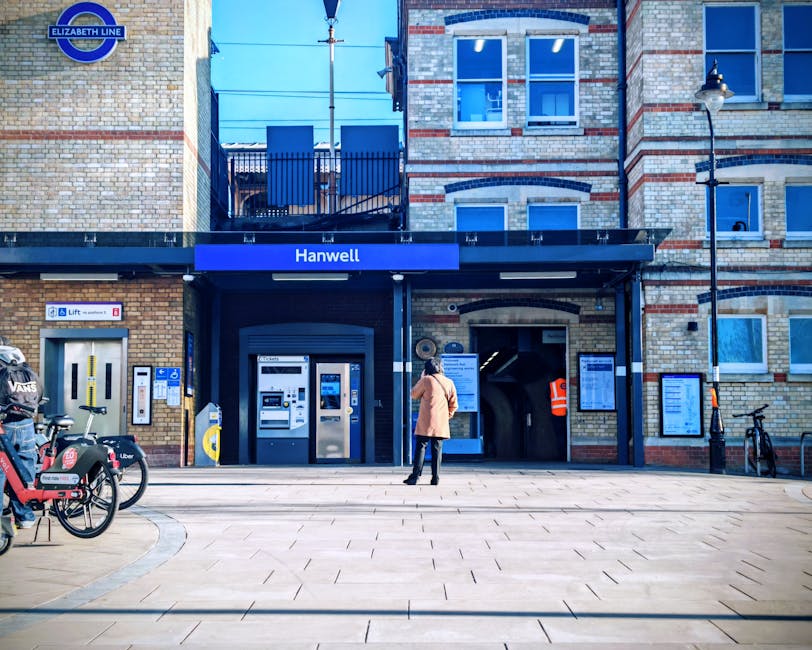
West Hampstead Station Access Guide for Removal Vans
If you are planning a move near West Hampstead station, the access question usually appears fast: where can a removal van stop, how long can it stay, and what happens if the street feels tighter than expected? This West Hampstead station access guide for removal vans is here to make that part simpler. The area is busy, the roads can be awkward at peak times, and even a short move can become stressful if the van cannot get close enough to the property.
In practice, good station access planning is less about luck and more about timing, route choice, loading strategy, and knowing when to use the right moving support. If you want a broader look at local moving logistics, you may also find our West Hampstead NW6 moving guide for removal vans useful alongside this one. And if you are still comparing service options, the services overview gives a clean summary of what can be arranged.
Why West Hampstead station access guide for removal vans Matters
West Hampstead station sits in a part of north west London where roads, footfall, cycle traffic, and station activity all overlap. That sounds manageable on paper. In real life, it means a removal van can face narrow kerbs, short stopping windows, and the classic London problem of nowhere being quite as convenient as it looks on a map.
For removals, access is not just about getting from A to B. It affects carrying distance, labour time, risk of damage, and how smooth the whole day feels. A property that is technically "close to the station" may still be awkward for a 3.5-tonne van if the nearest space is on a busier road or blocked by local traffic at the wrong time. Truth be told, that extra 30 metres on foot can feel like three times that when you are carrying a sofa down stairs.
This matters even more if you are moving from a flat, a basement, or a building with limited front access. In those cases, one wrong assumption can turn a simple job into a slow one. A careful access plan gives you a better chance of staying on schedule, avoiding rushed lifting, and protecting both your furniture and the building.
It also helps to choose the right type of mover. A compact vehicle may suit some addresses better than a full-size truck, while larger house moves often need a fuller removals setup. If you are weighing the difference, the page on man with a van in West Hampstead explains when a smaller vehicle can be the smarter choice, while house removals in West Hampstead is better for bigger loads and more complex access needs.
How West Hampstead station access guide for removal vans Works
Think of station access as a chain of decisions. First, you identify the property's actual loading point. Then you check whether the van can reach that point without getting trapped by restrictions, traffic pinch points, or poor turning space. After that, you decide how the move should be staged: one van, two crew members, a smaller vehicle, or maybe a split load with storage.
Near West Hampstead station, the practical questions tend to be very similar:
- Can the van stop close enough for safe loading?
- Is there room to pause without blocking the road?
- Will the route be easier before the morning rush or after it?
- Are there stairs, tight corners, or building access controls once the team arrives?
That last point gets overlooked more often than people think. A perfect kerbside position is only half the battle if the building entrance is up steps, through a courtyard, or behind a barrier. You really want the vehicle plan and the building plan to work together. Otherwise, you just move the problem from the street to the hallway.
For many local moves, a dry run mentally is enough: picture where the van waits, where the boxes come out, and how the crew gets from the property to the vehicle. If the route feels awkward in your head, it will usually feel awkward on the day too.
Key Benefits and Practical Advantages
Good station access planning is not about making the move fancy. It is about making it easier, safer, and less expensive in practice.
- Shorter carrying distance: Less time shuttling items means less fatigue and fewer chances to knock walls, doors, or banisters.
- Better time control: A clear stopping plan helps the crew work steadily rather than improvising under pressure.
- Lower stress: You know where the van is going and what happens if the first space is unavailable.
- Reduced damage risk: Furniture is easier to protect when the route is short, direct, and well managed.
- Smarter vehicle choice: Some jobs simply work better with a smaller van or a two-stage move.
There is also a less obvious benefit: better communication. When a mover understands the access properly, they can estimate labour and timing more accurately. That helps with pricing, crew planning, and expectations. For anyone comparing quotes, it is worth looking at pricing and quotes early, because access details can shape the final arrangement more than people realise.
Expert summary: around West Hampstead station, the best removal plan is usually the one that reduces uncertainty first. That means checking access early, choosing the right vehicle size, and planning loading so the crew can work without improv line-by-line decisions on the kerb.
Who This Is For and When It Makes Sense
This guide is useful for almost anyone moving in or out of the West Hampstead station area, but it is especially helpful if your move has one or more of the following features:
- You live in a flat with limited street access.
- You are moving from a property on a busy road close to station traffic.
- You need a removal van to stop briefly rather than park for a long period.
- You are moving bulky furniture, white goods, or awkward items.
- You are trying to avoid multiple trips because time is tight.
- You are planning a student move, office move, or same-day move.
Students often need a compact, flexible setup, especially at the end of term when everyone seems to be moving at once. A dedicated student removals service can make a big difference there. Offices, on the other hand, usually care more about timing and disruption, which is why office removals in West Hampstead are often planned around opening hours and access windows.
If your move is smaller or more straightforward, a removal van in West Hampstead may be all you need. If it involves a full household, more furniture, or fragile items, then a broader removals West Hampstead service is usually the safer bet.
Step-by-Step Guidance
Here is a practical way to approach station access without overcomplicating it.
- Check the property frontage. Look at where a van could actually stop. Not where you hope it will stop. Where it could.
- Measure the walking distance. A short walk from van to door is ideal, but even a modest distance becomes tiring with heavy boxes.
- Think about road width and turning room. Can the van enter, wait, and leave without a multi-point shuffle?
- Plan for station traffic. If your move overlaps with commuter peaks, allow extra time. It is a small thing, but it matters.
- Confirm building access. Staircases, lifts, codes, and concierge arrangements all affect timing.
- Prepare a loading sequence. Put the heaviest or most awkward items closest to the exit so the crew can move efficiently.
- Keep a fallback plan. If the first stopping point is blocked, know the second-best option before the van arrives.
In our experience, the simplest moves are the ones where someone has already answered the boring questions. The boring questions are the useful ones. Can the van get in? Can it wait? Who opens the door? Where do the boxes go first?
If you are still building the move itself, services like packing and boxes in West Hampstead can make a genuine difference, because tidy, labelled packing speeds up both loading and unloading. For larger or longer moves, storage in West Hampstead can also help if access timing means everything will not fit on one trip.
Expert Tips for Better Results
Small adjustments can save you a lot of hassle on the day. Honestly, some of the best access improvements are unglamorous.
- Book the earliest practical slot. Earlier often means calmer roads and easier stopping, especially near a station zone.
- Use smaller containers for heavy items. A box full of books is a different beast from a box of cushions.
- Keep a clear path to the exit. Shoes, mats, plant pots, and random bits of furniture cause needless slow-downs.
- Protect door frames and corners. A few minutes of preparation can prevent ugly scrapes.
- Tell the mover about anything unusual. Low ceilings, shared entrances, awkward gates, and steep steps matter.
- Choose the right scale of service. A compact crew can suit simple jobs, while a bigger team may be better for full moves.
A slightly humorous but true point: if your access plan depends on "we'll see when we get there", that usually means the day will become a bit of a saga. Better to remove the guesswork now.
If furniture is your main concern, especially wardrobes, tables, or delicate pieces, the dedicated furniture removals service is worth exploring. For delicate or high-value items, piano removals deserve specialist handling, because access and lifting technique both matter more than people expect.
Common Mistakes to Avoid
Most access problems are avoidable. They tend to come from assumptions rather than bad luck.
- Assuming the van can park right outside. In busy areas, that is often wishful thinking.
- Ignoring time of day. A road that is fine at 10:30 a.m. may be a headache at 8:15 a.m.
- Forgetting building rules. Some properties have strict loading instructions or time windows.
- Underestimating the amount of walking involved. A few extra metres can eat time quickly.
- Packing too late. Last-minute packing makes loading slower and messier.
- Not mentioning bulky items. Stair turns and tight landings are where delays start.
Another common one is choosing a service purely by price and then being surprised when access becomes the real cost driver. Cheap and cheerful can work for simple jobs. But if your move sits close to the station and needs careful handling, the lowest quote is not always the best value. It really isn't.
If you want to understand how different providers compare, a quick look at removal companies in West Hampstead can help you think about service level, flexibility, and local familiarity, not just price.
Tools, Resources and Recommendations
You do not need a huge toolkit, but a few things make access planning easier and cleaner.
- Box labels: Keep them visible and consistent so unloading is quicker.
- Floor protection: Cardboard, runners, or coverings help on rainy days or muddy entrances.
- Furniture covers: Handy for keeping upholstery and timber safe during short carries.
- Measuring tape: Useful if you are checking whether larger furniture will fit through routes.
- Phone notes: Simple, but brilliant for keeping access details, gate codes, and arrival times in one place.
For local move planning, the most useful resources are often the pages that explain service scope and support options clearly. Our removal services West Hampstead page is a good starting point if you want to see the range in one place. If your move is urgent, same-day removals may be relevant, though access detail still needs to be checked carefully. There is no magic shortcut around a blocked street.
If you are relocating a flat, flat removals in West Hampstead are often the closest match to station-side moves because they are built around staircases, shared entrances, and tight urban access. For larger moves, our about us page gives a sense of how the team works and the standards expected on move day.
Law, Compliance, Standards, or Best Practice
For removal vans near a station, compliance is usually a mix of local road rules, building rules, and sensible moving practice. The exact restrictions can vary, so it is best not to assume that one arrangement works everywhere.
From a practical standpoint, the main compliance themes are:
- Do not block traffic or emergency access.
- Respect loading restrictions and time limits.
- Use safe lifting methods and suitable equipment.
- Protect common areas and shared property.
- Communicate clearly with building management if access is controlled.
Best practice also means choosing a mover who treats safety as part of the job, not an afterthought. If you want reassurance on that side, our health and safety policy and insurance and safety information are worth reading. Privacy and payment matters matter too, especially when arranging bookings and providing move details, so the privacy policy and payment and security pages can be useful for peace of mind.
One more sensible point: if you are relying on a concierge, caretaker, or building contact to coordinate access, confirm the exact time and handover details in advance. That small step can prevent a lot of last-minute running about. Very London, very avoidable.
Options, Methods, or Comparison Table
Different access situations call for different moving methods. Here is a simple comparison that may help you decide what fits best.
| Method | Best for | Strengths | Limitations |
|---|---|---|---|
| Small van / man with a van | Light moves, student flats, awkward streets | Easier to position, flexible, often faster in tight spots | Less space for larger loads; may need more careful packing |
| Full removals van | House moves, bigger furniture, multiple rooms | More capacity, better for consolidated loads | Can be harder to park or manoeuvre near busy station roads |
| Split move with storage | Staged moves, delayed completion, access bottlenecks | Reduces pressure on the moving day and helps with timing | Requires extra planning and possibly more handling |
| Same-day removal support | Urgent moves or schedule changes | Fast response, helpful when time has gone a bit sideways | Access still needs to be workable; urgency does not remove road limits |
If you are unsure which approach suits your property, a smaller vehicle can sometimes beat a bigger one simply because it gets closer and keeps the whole job moving. That is why local familiarity matters. A well-run man and van service in West Hampstead can be surprisingly effective for station-area moves with tight access.
Case Study or Real-World Example
Here is a realistic example based on the kind of move people often face near West Hampstead station.
A couple moving from a second-floor flat needed to clear a dining table, a bed frame, boxes of books, and a few awkward plants. The road outside looked fine in the evening, but the preferred moving slot would have landed during a busier part of the day. Instead of assuming there would be space, they planned the van arrival earlier, measured the walking route, and asked the building manager about the best stopping point.
That changed the whole move. The vehicle used a position that was not perfect, but workable. The crew loaded in a steady flow rather than dragging items across a longer distance. The customers also pre-packed books into smaller boxes, which sounds minor, but it saved their backs and kept the staircase clear. By the end of the morning, they were tired, yes, but not frazzled. Which is usually the win.
They also avoided a common problem: leaving disassembly until the van was already outside. That would have slowed everything down. Instead, the larger items were loosened the day before, and the access route stayed clean. Simple, but effective.
For anyone handling a similar move, the lesson is straightforward: good access planning does not need to be complicated, only deliberate. If your move involves a wider local journey, our West End Lane moving tips for removal vans article offers another angle on local street planning.
Practical Checklist
Use this checklist a day or two before the move.
- Confirm the exact moving address and entrance.
- Check where the van can legally and safely stop.
- Ask about time restrictions, building rules, or access codes.
- Measure any awkward furniture or large boxes.
- Clear hallways, landings, and doorways.
- Keep valuables and essentials separate.
- Label rooms or box groups clearly.
- Tell the mover about stairs, lifts, or low ceilings.
- Plan what happens if the nearest space is occupied.
- Keep a phone charged and available on moving day.
Quick takeaway: if the van can reach the property easily, the move becomes calmer almost immediately. If it cannot, you need a smarter plan, not more optimism.
If you are comparing service levels or need a tailored arrangement, the most direct next step is to review the options on removal services in West Hampstead and decide whether your move calls for a smaller vehicle, a full household team, or a more flexible schedule.
Conclusion
Moving near West Hampstead station is absolutely manageable, but it rewards people who plan access properly. The roads can be lively, the stopping space can be limited, and the easiest-looking route is not always the one that works best for a van. Once you build the move around real access conditions rather than assumptions, everything tends to run more smoothly.
That is the core idea behind this guide: reduce surprises, choose the right moving method, and keep the path between van and door as simple as possible. Whether you are moving a flat, a house, an office, or just a few heavier items, access planning is the part that quietly holds the whole day together.
Get a free quote today and see how much you can save.
If you want a friendly team to help you work out the right moving setup, take a look at contact options for West Hampstead removals. A careful conversation at the start can save a lot of effort later. And honestly, that is the sort of calm you want on moving day.
Move well, and the rest tends to follow.