Removal Van in West Hampstead

Removal Van West Hampstead provides a practical moving service for households and businesses that need help transporting furniture, boxes and general contents across London or further afield. The service is suited to smaller moves, part-load collections and carefully timed clearances where a full-scale lorry is unnecessary. Our focus is on safe loading, sensible planning and clean handover, so the move stays organised from the first item to the last.
For many customers, the value of a removal van service lies in flexibility. It can suit a single room, a compact flat, a student move, an awkward item or a modest office transfer where access is tight and timing matters. We can support a move with lifting, carriage and the straightforward transport of belongings, while keeping the process calm and orderly. If you are comparing options, start with the items, access and distance rather than the size of the vehicle alone.
To request a quotation, share the key details of what needs moving, where it is going and any access points we should know about. That helps shape a quote that matches the job rather than relying on guesswork. You can also ask about broader moving support, including packing, furniture handling and storage, if you need a more complete arrangement.
Household moves and everyday transport
A removal van is often the simplest fit for everyday domestic moving tasks. It can carry boxed belongings, dismantled furniture, white goods and mixed household contents without the complexity of a larger operation. This makes it useful for one- or two-bedroom flats, shared houses, downsizing moves and collections from storage. When access is straightforward and the load is moderate, a van-led move can be an efficient way to get everything from A to B without over-ordering capacity.
We also support moves where the load is varied rather than uniform. That can include wardrobes, beds, shelving, kitchen items, suitcases and personal possessions that need careful stacking. In practice, good vehicle loading matters as much as the journey itself. Secure placement helps reduce shifting in transit, protects fragile items and makes better use of the available space. If you are still planning the move, it is often useful to group items by room and note anything that needs extra handling.
The most useful early decisions are usually simple ones.
- Identify the largest items first.
- Check whether anything needs dismantling.
- Confirm if there are stairs, narrow hallways or parking constraints.
- Separate items that must travel upright or alone.
Flat removals, student moves and smaller homes

Flat removals often need a different approach from larger house moves. Lift access, shared entrances, tight turns and limited parking can all affect how the move is managed. A van-based service can be particularly suitable where the volume is manageable but the handling needs are careful. That applies to studio flats, converted properties and short-notice moves where it is helpful to keep the process direct and focused on the items that matter most.
Student moves can also suit this format, especially when the load is a mix of boxes, bags, books, desk items and a few larger pieces. The same applies to smaller homes where customers want a controlled move without unnecessary capacity. Careful stacking and steady transport are important here because cartons are often mixed with awkward items and lightweight belongings. A well planned van move can keep those different load types together without wasting time or space.
If you are moving from a compact property, it can help to decide which things should travel with you and which can wait. That may include paperwork, fragile personal items, everyday essentials and anything you need immediately on arrival. The more clearly the load is separated, the easier it is to arrange a van service around the practical needs of the move. Keep the first day at the new place in mind when setting the order of packing.
Furniture handling and single-item collections
Not every booking is a full removal. Some customers need help with one heavy item, a few pieces of furniture or a collection from a retailer, warehouse or private seller. A removal van is often appropriate for beds, sofas, tables, wardrobes and similar items that are awkward in a car but do not justify a larger vehicle. This kind of work relies on careful loading, secure positioning and sensible route planning rather than volume alone.
Furniture moves may also require practical preparation. Dismantling some items can make access easier, while protective wrapping can help keep surfaces in better condition during transit. It is sensible to consider door widths, stair turns and the weight of each item before the day of the move. We can handle furniture removals with an eye on these details, which helps reduce avoidable strain during loading and unloading.
Useful furniture move checks can include measuring the largest item, confirming whether parts separate cleanly and deciding whether the destination has enough space for reassembly. For more complex items, those choices are often more important than the journey itself. If you are arranging a larger collection, you can ask for a quotation once the main dimensions and access points are known.
Commercial moves and office relocations

Removal Van West Hampstead can also support small commercial moves where a business needs to shift equipment, paperwork or office furniture without interrupting operations more than necessary. This may include desks, chairs, filing units, boxed archives, screens and lighter equipment that needs sensible handling. For companies with compact premises or a short transfer route, a van service can be a practical way to keep the move proportionate to the workload.
Office relocation work is usually most efficient when items are grouped by function. That means keeping desks together, separating electronics from general furniture and identifying anything that needs to remain accessible during the move. It can also help to set aside the items that must arrive first so that the new space can become workable quickly. We can assist with the transport side while keeping the process orderly and clear.
Business moves often benefit from a simple checklist. Label files, note any fragile equipment and check whether lifts, loading bays or building rules affect the schedule. These steps do not need to be complicated, but they do help avoid delays and confusion on the day. If your move includes more than transport alone, it is worth asking about packing support or temporary storage as part of the same plan.
Packing, unpacking and move preparation
Packing is one of the most important parts of a removal van service because it affects both safety and speed. Strong cartons, sensible fills and clear labelling can make a substantial difference when items are loaded into a van and transferred between properties. We provide packing and unpacking services for customers who want help turning mixed household or office contents into a move that is easier to manage from start to finish.
Good packing is not just about filling boxes. It is about weight distribution, fragile item protection and making sure the contents of each box are clear enough to unpack in the right room. Books, crockery, clothing, documents and soft items usually need different treatment, and it is rarely wise to mix very heavy items with delicate ones. Where packing is needed, it is best approached as part of the moving plan rather than left to the last moment.
Before the move, it is also worth thinking about access details that affect the loading process. If there are steps, parking restrictions or awkward turns, mention them early. Small practical notes can save time on the day and help the vehicle size and loading method feel appropriate. If you would like support with packing supplies, mention that when you ask for a quotation so the estimate reflects the full scope.
About West Hampstead
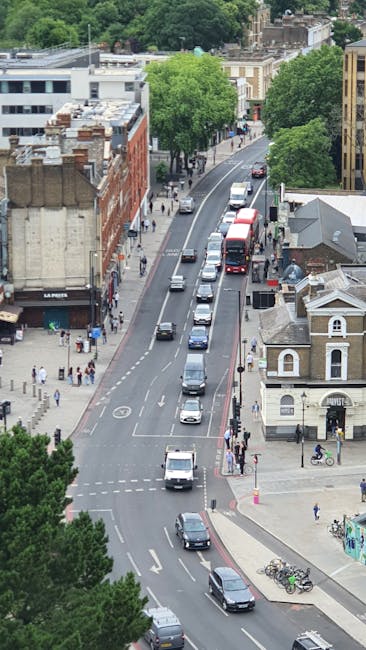
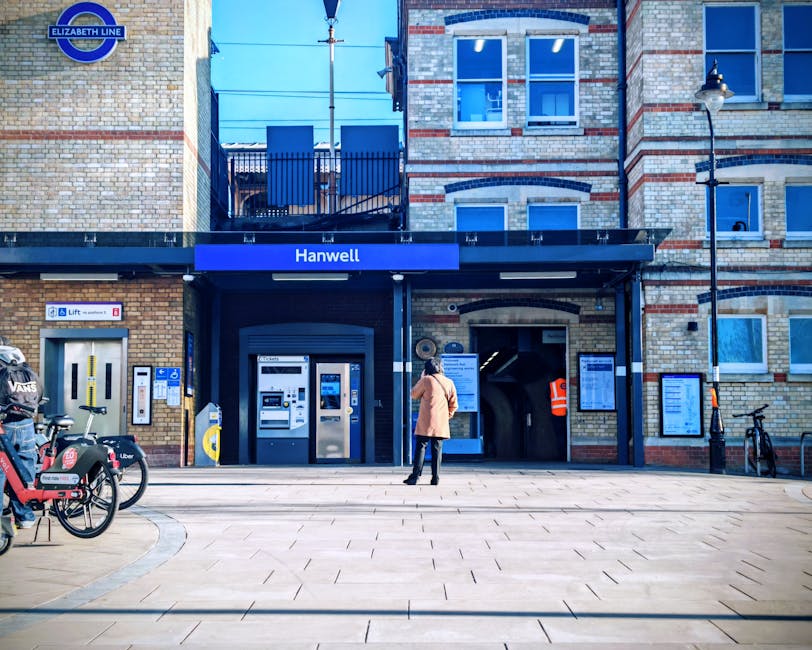
West Hampstead is a district in the London Borough of Camden, in north-west London, with a busy urban character shaped by rail links, residential streets and a long association with Victorian and later suburban development. The name is used for the area around West End Lane and the surrounding streets, and it sits close to neighbouring parts of Kilburn, Finchley Road and Cricklewood. Three stations serve the district under the West Hampstead name: the Underground station on the Jubilee line, the London Overground station and the Thameslink station, which together make the area notably well connected. This transport presence has helped give the district a distinctive everyday rhythm, with commuter traffic, local shopping and residential life overlapping throughout the week. The area’s housing mix includes mansion blocks, terraces, converted period properties and newer apartment buildings, reflecting the gradual densification of inner London over time. There are also local parks and open spaces nearby, including West End Green and access to larger green corridors within Camden and neighbouring boroughs. West Hampstead has a long-established high street character, with cafés, independent shops and services clustered around the station area, while the surrounding streets become more residential and quieter away from the main routes. The district is often associated with a practical, well-used part of London rather than a tourist focus, and that everyday quality is reinforced by its public transport, schools, local amenities and the mix of people who live and travel through it. Its position in north-west London also places it within easy reach of wider routes across the capital, adding to its role as a connected residential neighbourhood.
Loading, protection and care in transit

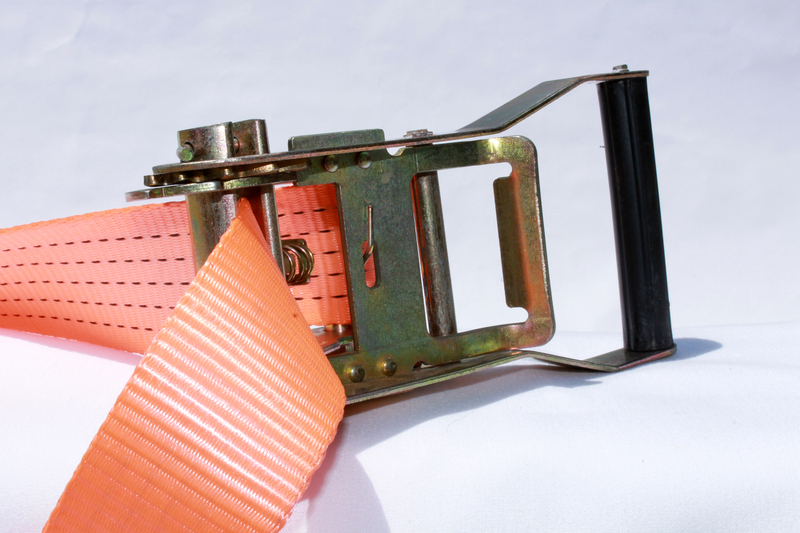
Once the items are packed and sorted, the next task is loading them in a way that keeps the move stable. Removal van work depends on careful use of space, secure stacking and thought about what should travel together. Heavy pieces usually sit low and stable, with lighter cartons arranged around them. Fragile belongings should not be buried under pressure, and anything sensitive to movement should be secured so it does not slide during braking or cornering.
Protection matters in the vehicle as well as before it leaves. Blankets, wrapping materials and sensible separation between items can reduce the chance of scuffs or damage during transport. This is especially useful for polished furniture, awkward shapes and mixed loads where soft goods are sharing space with harder items. We treat each move as a load planning exercise, not just a drive between postcodes, because the way items are arranged often determines how smoothly they arrive.
There are also situations where a van move needs special attention to sequence. Loading large items first can make the space more efficient, but only if it does not trap items that are needed earlier at the destination. That is one reason to think about unpacking order before the vehicle leaves. If a customer wants help planning the load around room priorities, this can be discussed when preparing the quotation.
Storage, timing and flexible moving arrangements
Some moves do not happen in one clean step. A property chain may need a temporary gap, a renovation may delay access or a business may need to clear a room before the new location is ready. In those cases, storage can be a useful part of the wider arrangement. We can discuss removal and storage together where the timing of the move requires a more flexible plan.
The advantage of combining transport with storage is that it keeps the sequence simpler for the customer. Items can be moved out, held securely and delivered on a later date when access is available. That can be helpful for furniture, boxes and mixed household contents, provided the items are clearly identified and packed well enough for the storage period. It is often better to decide this early rather than trying to solve a timing gap at the last minute.
When planning a delayed move, the most useful information is usually straightforward. List the items, note what must stay accessible and explain whether the destination date is fixed or uncertain. If you need the move split into stages, say so at the outset. A clear plan helps prevent confusion and makes the removal van service easier to shape around the real timetable.
Pricing, access and quotation details

Quotation requests are clearest when the main moving factors are set out in simple terms. The size of the load, the collection and delivery points, access conditions and any special handling needs all influence the amount of work involved. A small move with straightforward access is different from a property with stairs, long carries, restricted parking or several large furniture pieces. Accurate details help the estimate reflect the actual job rather than a generic average.
When you are ready to enquire, it helps to give a short outline of the move and mention any items that may need dismantling, lifting support or protection. If photographs or an inventory are available, they can be useful for understanding the shape of the job, though the key point is still the basic description of what needs moving. The more precise the brief, the more practical the quotation can be.
For a quotation, please get in touch and tell us what needs to be moved. If you would like to compare service options as well as price, ask about removal van transport, packing support, furniture handling or storage in the same enquiry so the response covers the full scope.