Narrow Streets and Parking Problems for West Hampstead Movers: A Practical Local Guide
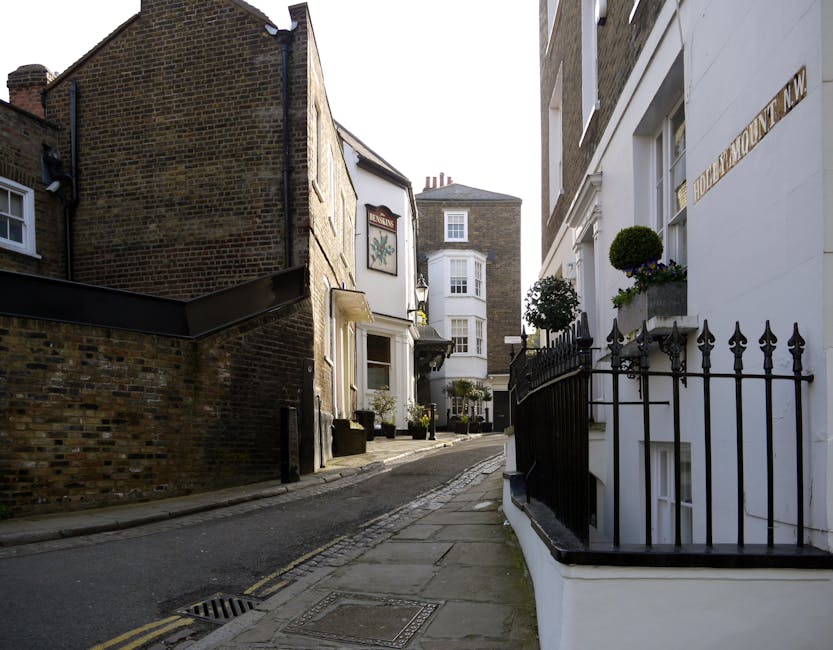
Moving in West Hampstead can be straightforward on paper and awkward in real life. The streets are often tight, parking can be scarce, and a perfectly normal home move suddenly turns into a shuffle of timing, access, and patience. If you are dealing with narrow streets and parking problems for West Hampstead movers, you are not alone. It is one of those London moving headaches that looks small until moving day arrives and the van is circling the block, someone is carrying a sofa through a gap that feels one inch too narrow, and the clock is already ticking.
This guide breaks down what actually helps. You will find practical planning steps, local-minded advice, common mistakes to avoid, and the kind of judgement calls that save time, stress, and a fair bit of frustration. Whether you are moving a flat, a family home, a student room, or an office, the same basic challenge applies: make the access work before the boxes start moving.
- Why it matters
- How it works on moving day
- Key benefits of planning ahead
- Who needs this approach
- Step-by-step guidance
- Expert tips
- Common mistakes to avoid
- Tools, resources and recommendations
- Law, compliance and best practice
- Options and comparison
- Real-world example
- Practical checklist
- Conclusion
- Frequently asked questions
Why Narrow Streets and Parking Problems for West Hampstead Movers Matters
In moving, access is everything. A great packing job, a well-trained team, and a clean van still do not help much if the vehicle cannot stop near the property or if heavy items need to be carried far along a cramped pavement. In West Hampstead, that can easily happen. Residential streets, terraced properties, mansion blocks, and busy main-road edges all create different access issues, and many of them are manageable only if you plan early.
Why does it matter so much? Because narrow streets and parking constraints affect almost every part of the move:
- Time: longer carry distances and awkward parking both slow things down.
- Safety: more carrying, tighter turning, and awkward positioning increase the chance of knocks or trips.
- Cost: delays, extra labour, or the need for a second vehicle can push the job up.
- Stress: when the van arrives late or cannot stop legally nearby, the whole day starts to feel harder than it should.
To be fair, most moving problems are not caused by the furniture itself. They are caused by the space around it. A wardrobe that fits through a doorway is one thing; a wardrobe that needs to be carried three doors down a terraced street while other cars are parked bumper-to-bumper is another story entirely.
If you are already comparing removal services or looking at removal companies, this is the sort of practical issue worth raising early. A good mover will not treat access as an afterthought.
How Narrow streets and parking problems for West Hampstead movers Works
Managing a difficult West Hampstead move is really about controlling the sequence of events. The van, the parking position, the carry route, and the loading order all need to line up. When they do, the move feels calm enough. When they do not, even a small job can unravel fast.
The usual process looks like this:
- Access is checked before moving day. The team asks about street width, loading space, staircase access, and any likely obstacles such as low branches, tight corners, or basement steps.
- The right vehicle is chosen. Sometimes a smaller vehicle or a different loading approach works better than trying to force a larger van into a cramped street.
- The parking position is planned. The ideal spot is close enough to keep carry distances short, but also realistic and safe.
- The load order is adjusted. Items that will be needed first at the destination are placed in a sensible sequence, and fragile pieces are protected properly.
- The crew works around live conditions. Cars move, neighbours need access, and traffic may be awkward. That is normal. The point is to reduce the number of surprises.
There is a quiet skill to this. Good movers do not just lift and shift; they read a street. They notice where two cars meeting can cause a stand-off, where a kerb is awkward, and where the front door opening means one person needs to hold a tread while another pivots the item through. Sounds minor. It is not minor on the day.
If the job involves a larger household move, services such as home moves or house removals are often better suited to this kind of planning than a rushed one-size-fits-all approach. For smaller loads, man and van or man with van arrangements can be more flexible around tight streets.
Key Benefits and Practical Advantages
Getting access right is not just about avoiding problems. It actively improves the whole move.
- Shorter loading time: a van close to the property means less carrying and fewer repeated trips.
- Lower risk of damage: fewer bends, fewer corner turns, and less chance of bumping items into walls or railings.
- Better team coordination: the crew can move in a steady rhythm instead of wasting energy walking back and forth.
- Less disruption for neighbours: a controlled move is quieter and less intrusive.
- More accurate quotes: when access details are known early, pricing tends to be clearer and less likely to shift later.
There is also a less obvious benefit: confidence. Once you know how the van will park, where the team will enter, and what the carry distance will be, the day feels much less mysterious. And honestly, moving is stressful enough already without making the access a guessing game.
For some households, this is the point where using flat removals expertise or even student removals support makes sense, because those moves often involve stairs, limited drop-off space, or shared entrances. If you have especially heavy or awkward items, piano removals and furniture removals are worth considering separately, since they demand more careful handling in cramped areas.
Who This Is For and When It Makes Sense
This topic matters to more people than you might think. It is not just for large house moves with multiple bedrooms. In West Hampstead, parking and street access can affect almost any relocation.
- Flat movers: especially if the building has a narrow entrance, shared stairwell, or no lift.
- Families moving houses: more furniture, more boxes, and generally less room for error.
- Students: short leases and a lot of timing pressure make efficient access a big deal.
- Office teams: business moves often have strict time windows and little tolerance for delays.
- People with bulky items: beds, wardrobes, sofas, gym equipment, and pianos all become much trickier in narrow spaces.
It also makes sense if you are trying to move on a busy day, during a school run, or when parking around the street is already half taken. West Hampstead can feel deceptively compact at those times. You know the sort of day - one van loading out, someone else unloading supplies, and a courier trying to reverse into the same patch of road. Not ideal.
If you are coordinating a business relocation, the planning needs are even tighter, so office removals or office relocation services are better starting points than a casual, last-minute arrangement. For commercial premises, commercial moves may require earlier scheduling and a more structured access plan.
Step-by-Step Guidance
If you want the move to run smoothly, start with the access question first and the packing question second. That order matters more than people expect.
- Measure the real access. Check the width of the street, the turning space near the property, the height of any overhanging features, and the width of the front path or hallway.
- Look at where the van can legally stop. Do not assume there will be room right outside. Consider whether a nearby bay, layby, or side street is more realistic.
- Decide how far items may need to be carried. A short carry on paper can become long if the only available space is around the corner.
- Tell the mover about stairs, lifts, and shared entrances. These details affect timing, labour, and item handling.
- Sort the load by priority. Keep essential items and fragile pieces easy to reach.
- Leave a clear path inside the property. Hallways packed with loose boxes create avoidable bottlenecks.
- Confirm timing early in the day. If parking is likely to be tricky, start early enough to avoid being squeezed by traffic or residents returning home.
- Have a backup plan. A second parking spot, a short waiting period, or an alternate loading point can save the day.
If you are packing yourself, good packing and boxes support helps a lot here. The better organised the boxes are, the less time the crew spends re-handling things. If you prefer a hands-off approach, packing and unpacking services can reduce the pressure before and after the move.
One small but useful tip: if the building is in a very tight street, walk the route from the van stop to the front door yourself the day before. Just once. You will often spot the annoying things immediately - the gate that swings awkwardly, the uneven paving slab, the low wall that becomes a shin-bruiser in bad shoes. Little details, but they count.
Expert Tips for Better Results
In our experience, the best West Hampstead moves are rarely the ones with the fanciest kit. They are the ones where the access has been thought through properly.
- Choose the right size vehicle. Bigger is not always better if the road layout is cramped. A more compact vehicle can sometimes save time overall.
- Separate the fragile from the awkward. Don't bury delicate items under everything else. That is asking for trouble, really.
- Use blankets and straps well. Tight spaces mean more opportunities for scuffs, so secure items properly.
- Keep a short carry route clear. Ask neighbours politely if needed, especially if you expect loading to take longer than usual.
- Plan for double parking only if it is safe and lawful. Never assume it is acceptable just because the street looks quiet.
- Allow a buffer in the schedule. A 20-minute access delay can eat into the rest of the morning faster than people expect.
Do you really want the entire move to depend on finding one perfect parking space? Of course not. The sensible move is to plan for the space you are likely to get, not the ideal one you hope will magically appear.
If you are moving something unusually heavy, specialised services such as furniture pick up or removal truck hire may be worth discussing, especially if access and loading conditions need more control than a basic one-van visit can provide.
Common Mistakes to Avoid
The most common mistake is simple: underestimating access. People focus on box counts and forget the street itself. It happens all the time.
- Assuming parking will be easy: it usually isn't, especially near busy residential stretches.
- Not mentioning access problems early: movers need the full picture to plan properly.
- Leaving bulky items until last: large furniture is easier to move when the route is clear and the crew still has energy.
- Ignoring delivery timing at the new place: the destination can be just as awkward as the collection address.
- Choosing speed over suitability: a same-day slot is useful, but only if the access plan still makes sense.
Another classic mistake is forgetting about storage or split moves. If the new place is not ready, or if access is limited on one side of the move, short-term holding can make everything much easier. That is where storage can be a practical bridge rather than a last resort.
And yes, sometimes people try to "just wing it" on the day. That rarely ends elegantly. Usually it ends with a mate holding a door open, somebody hunting for keys, and the van waiting with the engine idling. Not tragic, but not fun either.
Tools, Resources and Recommendations
You do not need specialist software to solve narrow-street moving problems, but a few simple tools and resources help a lot. Keep it practical.
- Measuring tape: useful for checking furniture widths, doorways, and tight hallways.
- Phone camera: take photos of the street, entrance, stairs, and any awkward corners for reference.
- Floor plan or rough sketch: even a quick hand-drawn note can help the team understand the layout.
- Box labels: make it easier to unload in the right order when parking is limited and time is tight.
- Protective packing materials: blankets, tape, and wrap reduce damage when carrying through tight spaces.
Useful website pages to review before booking include pricing and quotes if you want to understand how the job may be assessed, and insurance and safety if you want reassurance about how risk is handled. If you want a broader overview of the business and approach, about us is worth a look.
For smaller, more flexible jobs, man with a van or man with van arrangements can be a sensible fit. If you need a more structured moving team, removals and removal services pages are more relevant starting points.
Law, Compliance, Standards, or Best Practice
When parking and street access are part of a move, the legal and practical side should never be ignored. In London, stopping in the wrong place, blocking access, or creating avoidable hazards can lead to problems very quickly. You do not need a lecture on council rules to know that a moving van parked badly is a nuisance to everyone else on the street.
Best practice usually means the following:
- Park safely and lawfully: avoid blocking driveways, crossings, junctions, or emergency access.
- Reduce obstruction: keep pavements, front doors, and shared entrances clear where possible.
- Handle heavy lifting safely: use sensible lifting technique and the right number of people.
- Protect the property: take care around walls, door frames, banisters, and flooring.
- Communicate clearly: neighbours, building managers, and the moving team all benefit from advance notice.
Professional movers should also work in line with their own health and safety policies and insurance arrangements. That is particularly important when access is awkward, because awkward access raises the chance of slips, scratches, and rushed handling. If a company cannot explain how it manages those risks, that is a red flag. A small one, maybe, but still a red flag.
For more formal expectations around the company's standards, it can help to review health and safety policy, terms and conditions, and payment and security. Those pages do not replace common sense, of course, but they do help you understand what to expect before the first box is lifted.
Options, Methods, or Comparison Table
Different move types handle narrow streets and parking issues in different ways. Here is a simple comparison to help you decide what is most suitable.
| Option | Best for | Strengths | Possible limitations |
|---|---|---|---|
| Man and van | Smaller flats, single-room moves, lighter loads | Flexible, nimble in tight streets, often quicker to position | May be less suitable for large or complex household moves |
| Standard removals team | Typical home moves and larger furniture jobs | More manpower, better handling of awkward items, stronger planning support | May need more access coordination and timing |
| Removal truck hire | Moves with substantial volume or repeat loading | Capacity and efficiency for bigger jobs | Can be harder to place in narrow roads if space is very limited |
| Same-day removals | Urgent or fast-turnaround moves | Speed and responsiveness | Less time for access planning, so communication must be sharp |
There is no single right answer. A compact, well-planned vehicle can outperform a bigger one if the street is especially awkward. On the other hand, a more substantial team can be worth it if the flat is on an upper floor and several large items need careful handling.
If the timing is tight, same-day removals can be useful, but only if you are honest about the access conditions. Speed helps. Guesswork does not.
Case Study or Real-World Example
Here is a realistic example. A couple were moving from a first-floor flat in West Hampstead to a house a short distance away. On paper it looked simple. In reality, the first street had limited stopping space, the building entrance sat just off a narrow pavement, and a previous delivery van had already parked in the most obvious bay.
Instead of forcing the job, the team adjusted the plan. They used a smaller vehicle position, kept the carry route short, and split the move into a clear sequence: boxes first, soft furnishings next, then the larger items once the route was clear. The result was not glamorous, but it worked. No damaged table legs, no awkward stand-off with another driver, and no last-minute panic because the sofa had nowhere to go.
That is the key lesson, really. The move did not become easier because the street changed. It became easier because the method changed. Planning beats hope every time.
In another common scenario, a small office move may need careful parking coordination around staff arrivals and local traffic. In that case, a structured service such as office relocation services or office removals is often the more sensible choice than trying to improvise on the morning itself.
Practical Checklist
Use this checklist a few days before moving day. It is simple, but it covers the main access risks.
- Confirm the exact moving address and entrance.
- Check whether the street is narrow or has limited turning space.
- Identify where the van can safely stop.
- Measure doorways, hallways, stairs, and any tight bends.
- Tell the mover about parking limits, shared access, or loading restrictions.
- Take photos of the front of the property and the surrounding street.
- Label boxes clearly and keep essentials separate.
- Protect floors, corners, and fragile furniture surfaces.
- Plan for delays, weather, or traffic interruptions.
- Have a backup option if the main parking spot is unavailable.
Quick takeaway: the best way to handle narrow streets and parking problems is to treat access as part of the move itself, not as an external nuisance. Once that shifts in your mind, the whole process becomes more manageable.
Get a free quote today and see how much you can save.
Conclusion
Narrow streets and parking problems for West Hampstead movers are not unusual, but they do need respect. A move can still go smoothly when the access is awkward, provided the planning is realistic and the team understands the local conditions. Measure properly, communicate early, choose the right vehicle and service level, and leave some breathing room in the schedule. That combination goes a long way.
If you are moving soon, the smartest next step is simple: map out the access, note the parking pressure points, and speak to a mover who asks the right questions instead of rushing past them. That one bit of preparation can turn a tense day into a steady one. And that, in a place like West Hampstead, is worth a lot.
Move calmly, plan properly, and give yourself one less thing to worry about.
Frequently Asked Questions
How do movers deal with narrow streets in West Hampstead?
They usually plan the vehicle size, parking position, and carry route in advance so loading and unloading can happen with as little back-and-forth as possible. Good communication is the big one.
What should I tell a removal company about parking problems?
Tell them whether the street is restricted, whether there is any legal loading space nearby, how busy the road usually is, and whether the property has shared or awkward access. Photos help too.
Is a smaller van better for tight West Hampstead streets?
Often, yes. A smaller van can be easier to position and less stressful in a tight street. That said, the right choice depends on the amount of furniture, the carry distance, and how much needs to be moved in one trip.
Do parking problems make a move more expensive?
They can. If access is awkward, the move may take longer or require extra labour. Clear information up front is the best way to avoid surprises later.
Should I reserve parking space for moving day?
If that is possible and lawful where you live, it can help a lot. But not every move needs that step, and it is best to check local rules rather than assume a space can simply be saved.
What if my building has no lift?
Say so early. Stairs change the timing, the labour, and the handling needed for heavy items. It is especially important for flat moves and large furniture.
Can movers handle bulky items in very tight properties?
Yes, if the item can physically fit through the route and the team has planned the move properly. For awkward pieces, specialised handling such as piano removals or furniture removals may be the safer choice.
Is same-day moving a bad idea in a parking-heavy area?
Not necessarily, but it leaves less room for error. If you choose same-day removals, make sure the access details are crystal clear because there is usually less time to adjust on the fly.
What type of move is best for a small flat in West Hampstead?
A flexible option such as man and van can work well for smaller loads, especially where streets are tight and quick loading matters. Bigger jobs usually need a more structured removals service.
How can I make loading faster on a narrow street?
Pack carefully, label boxes, clear the hallway, and keep the route to the van as short as possible. A tidy property is faster to move, simple as that.
What happens if the van cannot park right outside?
The crew may need to use the nearest safe and lawful stopping point, then carry items a longer distance. That is another reason why access details should be shared before moving day.
Where can I check the company's policies before booking?
Useful pages to review include about us, insurance and safety, and terms and conditions. They help set expectations before the move starts.