Street closure rules in West Hampstead for removal vans
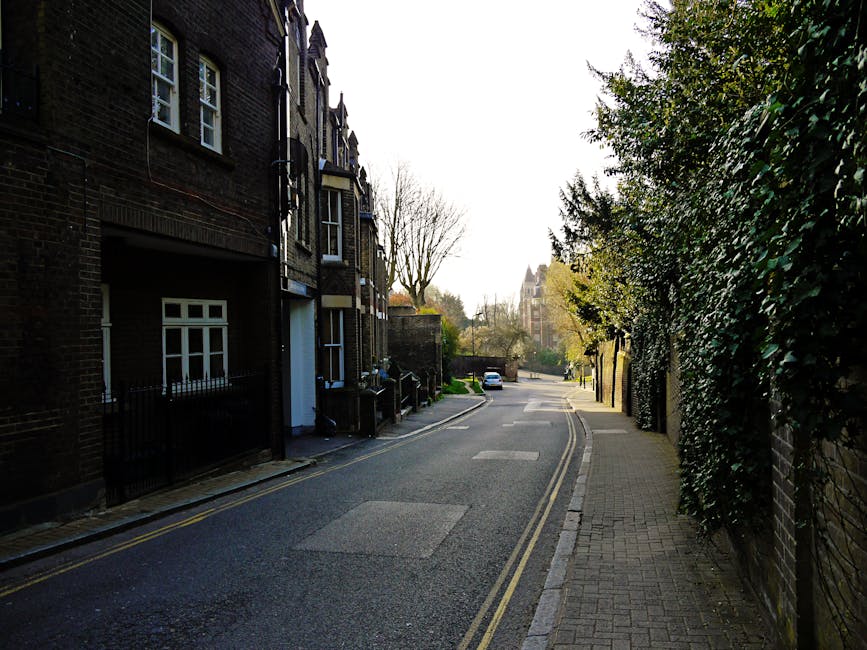
Planning a move in West Hampstead can feel simple right up until you picture a removal van trying to squeeze into a busy residential street, with parked cars on both sides and not quite enough room to swing a trolley. That is usually where street closure rules in West Hampstead for removal vans start to matter. If you are moving house, relocating a flat, or shifting heavy furniture in NW6, understanding how access, traffic management, and parking restrictions work can save a lot of stress on the day.
This guide explains the practical side of using a removal van on local streets, when a partial or full closure may be needed, what to check in advance, and how to avoid the classic moving-day headache: the van arrives, but the street is not ready for it. Let's face it, nobody wants that kind of drama with a sofa on the pavement and neighbours quietly watching from upstairs windows.
Below, you will find a clear breakdown of the rules, the sensible steps to take, and the small details that make a big difference. There is also a checklist, a comparison table, and a few local examples based on the kind of streets people run into around West Hampstead.
- Why it matters
- How it works
- Key benefits
- Who needs this
- Step-by-step guidance
- Expert tips
- Common mistakes
- Tools, resources and recommendations
- Law, compliance, standards, or best practice
- Options and comparison
- Real-world example
- Practical checklist
- Conclusion
- Frequently asked questions
Why Street closure rules in West Hampstead for removal vans Matters
West Hampstead is the kind of place where the street layout can change fast from one road to the next. One minute you are on a broad enough stretch with decent kerb access, and the next you are dealing with a narrow residential road, a school run, cars parked tightly nose-to-tail, and maybe a bus route or cycle lane in the mix. Because of that, street closure rules in West Hampstead for removal vans are not just a bureaucratic detail. They are a practical part of moving safely and efficiently.
When a van cannot legally or safely stop where it needs to, the move slows down. Sometimes dramatically. Crew members end up carrying items further than planned, loading takes longer, and the risk of damage goes up. Worse still, if a van blocks traffic or ignores local restrictions, it can lead to complaints, fines, or a move that has to be paused until the issue is sorted. That is nobody's idea of a smooth start.
There is also a neighbourly side to this. A planned closure, controlled access arrangement, or properly timed loading plan can reduce disruption to residents and passers-by. It sounds minor, but it makes a real difference on busy streets where tempers can flare quickly if traffic starts backing up. In our experience, a calm, well-planned move always feels less chaotic by about 10am, which is usually when the tea has kicked in and everyone wants the road clear.
If your move involves more than a quick lift-and-go, you should treat access planning as seriously as packing boxes. The best removals are the ones where the logistics were sorted before the kettle even went into a box.
How Street closure rules in West Hampstead for removal vans Works
In practice, street closure rules are about controlling access to a road, a section of a road, or a stopping/loading space so that a removal van can work without creating a hazard. Depending on the street and the scale of the move, that can mean anything from arranging safe kerbside access to applying for a temporary suspension, a loading bay booking, or permission for temporary traffic management. The exact arrangement depends on the road type, the local authority's requirements, and the time of day.
It helps to separate three common scenarios:
- Simple kerbside loading - the van parks legally, close to the property, and loads or unloads without needing to stop traffic.
- Restricted access management - the van needs a clear zone, perhaps because of narrow width, parked cars, or heavy items that require extra space.
- Temporary street closure or traffic control - a section of road is managed so the move can happen safely and without blocking essential traffic flow.
Not every move needs a closure. In fact, most do not. But if a street is especially tight, if a large vehicle will be on site, or if the building access means lifting furniture through a difficult frontage, then planning for more than just a parking space is wise. A removal company with local experience will usually spot this early. The good ones ask awkward questions before moving day, which is exactly what you want.
Another point people miss: a closure is not the same as permission to ignore parking controls. You still need the right approvals and timing. A temporary arrangement usually needs to be coordinated in advance, not improvised on the morning with hazard lights flashing. That may sound obvious, but moving day has a funny way of making obvious things disappear.
For broader moving support, some people also look at removal services or even a more flexible man with a van option when access is limited and the load is smaller. The right choice depends on volume, timing, and street conditions.
Key Benefits and Practical Advantages
Getting the street access plan right is not just about avoiding trouble. It brings some very real benefits that you notice immediately on the day.
- Faster loading and unloading: shorter carry distances mean less time spent on the pavement and fewer delays.
- Lower risk of damage: furniture is handled less, carried less far, and is less likely to get knocked against railings, kerbs, or parked cars.
- Better safety: controlled access reduces the chance of accidents involving pedestrians, cyclists, crew, or your belongings.
- Less neighbour friction: a planned move feels more considerate, especially on narrow residential streets.
- Cleaner timing: if the van can park where it should, the crew can work to schedule instead of improvising around obstacles.
There is also a quieter benefit: peace of mind. You can focus on the move itself rather than worrying whether the van will get stuck half a street away. That matters more than people think. When you have keys to hand, boxes stacked by the door, and a hundred little tasks buzzing around your head, simple logistics become a gift.
Expert summary: The best street access plan is the one that looks slightly boring on paper. If the van can arrive, park legally, load safely, and leave without drama, you have done the job properly.
Who This Is For and When It Makes Sense
This topic is relevant to anyone moving in or around West Hampstead, but it is especially important if your property sits on a tighter street or a road with active parking restrictions. That often includes flats above shops, mansion blocks, terraced houses with limited frontage, and homes close to busier routes or station areas.
You are likely to need a closer look at street closure rules if any of these apply:
- the removal van is medium or large and needs to stop close to the entrance;
- you are moving large items such as wardrobes, sofas, or pianos;
- the building has limited frontage or awkward access;
- you are moving during busy hours, especially when parking is tight;
- the street has double yellow lines, permit controls, or loading restrictions;
- you are coordinating with neighbours, building management, or a concierge;
- you are relocating a business or office with multiple items and equipment.
It also makes sense for landlords, property managers, and office organisers. A smooth arrival and departure matters just as much for commercial moves as it does for home moves. If you are handling a larger relocation, you may want to look at commercial moves or office removals, especially where multiple vehicles or staggered loading are involved.
To be fair, some people only realise they need this planning when they stand outside with a mattress and nowhere legal to put the van. Best not to wait that long.
Step-by-Step Guidance
If you want to handle the move properly, start early and work through the access question in a logical order. The process does not need to be complicated. It just needs to be done before moving day.
1. Assess the street first
Walk the route from the nearest approach point to your property. Look for width, bends, parked cars, one-way restrictions, and anything that could make the van's arrival awkward. If you can, check it at the same time of day as your move. A street that feels fine at 9am may be very different by late afternoon.
2. Identify the loading space you really need
Ask yourself: where exactly will the van stop, how long will it need to stay, and how close does it need to get to the entrance? A common mistake is assuming "near enough" will be fine. Near enough can still mean a long carry with a heavy wardrobe, and that gets old fast.
3. Check whether a permit, suspension, or traffic control is needed
Depending on the road, you may need a parking suspension, loading bay arrangement, or another form of temporary access control. If you are using a professional removal company, ask them whether they regularly deal with local access planning. Good movers usually know the difference between a street that just needs timing and one that needs more formal control.
4. Time the move carefully
Consider school traffic, commuter flow, delivery activity, and any local peak times. In West Hampstead, timing can matter a great deal. Even a modest delay can mean the van arrives just as the street fills up. A morning slot often works better than later in the day, though each street has its own rhythm.
5. Protect the move with a backup plan
What if the planned stopping point is occupied? What if the weather turns wet and the pavement gets slippery? What if a neighbour's car blocks the space at the last minute? Have a fallback position in mind. That might mean a second loading point, an alternative van size, or a short wait window.
6. Brief everyone involved
If there are movers, family members, building staff, or neighbours involved, make sure everyone knows the plan. A five-minute briefing can prevent a 30-minute shuffle. Someone should know where the keys are, where fragile items are, and which entrance is being used.
7. Confirm the day-before details
Confirm arrival time, vehicle size, access route, and whether the van can safely stand on site. Check the weather too. Rain changes everything a bit. Boxes get heavier, pavements become slick, and people move more slowly when they are trying not to slip with a mirror in their hands.
Expert Tips for Better Results
A few small details can make a surprisingly big difference. The sort of difference you only really appreciate when the van is reversing in and everything is going exactly as planned.
- Use the smallest practical vehicle size. A slightly smaller removal van can sometimes make access easier without adding much extra time.
- Keep the front entrance clear. Shoes, plant pots, recycling bags, and loose bits of furniture slow everything down. Clear the path before the van arrives.
- Label the fragile or urgent items. If the team needs to prioritise boxes during a narrow loading window, clear labels help.
- Move the awkward items first. Big wardrobes, mattresses, and white goods usually cause the most access friction, so load them early.
- Take a few photos in advance. A quick visual record of the street, entrance, and any existing damage helps if there are questions later.
- Speak to neighbours early. A simple note through a door or quick chat can prevent frustration if a van needs to occupy part of the street for a short time.
One particularly useful habit is to stand where the van will stop and imagine the carrying line to the doorway. If it looks fiddly on foot, it will feel fiddly with boxes. That little mental exercise saves a lot of guessing.
Also, do not ignore weather and lighting. Early winter afternoons in London can feel darker than you expect, and a move that seems manageable in daylight can become a bit trickier once the light starts fading. Nothing dramatic, just enough to make careful planning worthwhile.
Common Mistakes to Avoid
Most moving problems around street access come from avoidable assumptions. Here are the big ones.
- Assuming the van can just stop anywhere. If the street has restrictions, parking controls, or poor width, that assumption can derail the whole move.
- Leaving access planning until the day before. By then, your options may be limited, especially if permissions or timing windows are needed.
- Choosing the wrong vehicle size. Too large and you create access problems; too small and you need extra trips.
- Forgetting about bins, cars, and street clutter. They take up more space than people think.
- Not telling the building or neighbours. Even polite planning is better than a surprise blockage at 8am.
- Ignoring the carry distance. A long carry adds time, fatigue, and risk. It also turns "quick move" into "why is this taking forever?"
One more subtle mistake: not checking whether the route from the van to the property is actually usable for bulky items. Steps, tight corners, low railings, and narrow entrances can matter as much as the road itself. It is a small detail until it is very much not small.
Tools, Resources and Recommendations
You do not need a pile of specialist gear, but a few practical tools and preparations make street access much easier.
| Tool or resource | Why it helps | Best for |
|---|---|---|
| Measuring tape | Checks doorway width, furniture size, and clearances | Planning access before moving day |
| Floor plan or room sketch | Helps decide item order and loading sequence | Home moves and flat moves |
| Labels and marker pens | Makes unloading faster and more organised | Any move with multiple boxes |
| Protective covers | Reduces damage when items are carried over longer distances | Furniture, mattresses, soft furnishings |
| Photographs of street access | Useful for planning and communication with movers | Tighter streets or unusual entrances |
| Removal company policy pages | Helps you understand service terms, safety standards, and expectations | Booking with a professional crew |
If you are comparing moving support, it is worth reading the company's policies as well as its service pages. For example, insurance and safety is a useful place to check how a business thinks about risk, while health and safety policy gives you a feel for how carefully they work on-site. Those details matter more than glossy wording.
For pricing and practical planning, the page on pricing and quotes can help you think through the likely structure of a move, especially if access complexity may affect the job. And if you are moving furniture that needs special handling, furniture removals is the kind of service page that helps you judge whether your load needs extra care.
Law, Compliance, Standards, or Best Practice
Street closure rules and loading arrangements are usually shaped by local traffic management requirements, parking controls, and general road safety obligations. The exact rules can vary by street and by the type of restriction in place, so it is best not to assume a one-size-fits-all answer. If a road is managed under local parking or traffic control rules, the safe approach is to verify what is allowed before the vehicle arrives.
From a best-practice point of view, the main principles are straightforward:
- do not block emergency access;
- do not create unsafe reversing or loading conditions;
- respect time-based restrictions and suspension rules;
- use suitable vehicle positioning for safe loading;
- keep pedestrians, cyclists, and neighbours in mind;
- make sure the moving team can work without forcing unsafe lifts or carries.
That may sound dry, but in real terms it means this: if the van is likely to interfere with traffic flow or create a hazard, plan for formal access control rather than hoping for the best. The same goes for heavy or awkward items. A good removals team will not treat safety as a box-ticking exercise. It is part of the job, full stop.
If you want reassurance on the broader service side, it can help to read a company's terms and conditions alongside its policy pages. And if sustainability matters to you, especially when disposing of packing materials or unwanted items, the recycling and sustainability page can offer a clearer picture of how the business handles waste responsibly.
Options, Methods, or Comparison Table
Not every move needs a street closure, and not every access issue should be solved the same way. The right choice depends on the property, the street, and how much you need to move.
| Option | Best for | Pros | Trade-offs |
|---|---|---|---|
| Simple kerbside loading | Easy access streets with legal stopping space | Quick, low complexity, usually cheapest | Not suitable where parking is tight or restricted |
| Parking suspension or loading arrangement | Busy streets or limited frontage | Creates a safer, clearer working area | May need advance planning and coordination |
| Temporary street closure or traffic control | Narrow roads, heavy items, larger moves | Best for safety and efficiency | More preparation and possible additional cost |
| Smaller vehicle with multiple trips | Very tight access or short moves | Can fit where larger vans cannot | More time on the clock and potentially more handling |
There is no perfect answer for every street. A smaller vehicle can be brilliant for one West Hampstead road and a nuisance on another. That is why good local judgment matters. If you are unsure, ask the removals team to look at the route and the frontage before confirming the plan.
For particularly tight access, you might also compare a standard moving van with a more flexible option such as removal van support or a man and van setup. One is not "better" in the abstract. The right one is the one that fits your street and your load.
Case Study or Real-World Example
Imagine a flat move on a narrow West Hampstead side street on a weekday morning. The property is up two floors, the staircase is tight, and the sofa is one of those oddly stubborn ones that looks smaller in the showroom than it does in your hallway. The street has parked cars on both sides and just enough room for a van if the stop is planned carefully.
In a case like this, the move works best when the access plan is sorted in advance. The crew arrives with the right vehicle size, the stop point is chosen to reduce the carry distance, and the busiest time window is avoided. Boxes are taken out first, then the larger furniture. The entrance stays clear, neighbours are informed, and the whole job moves with far less fuss than it would have if everyone just turned up and hoped for the best.
Now compare that with a same-day improvisation. The van arrives late, a parked car blocks the intended stopping point, and somebody has to spend time circling the block. The crew ends up carrying items much further than planned, the schedule slips, and a simple move suddenly feels like a mini expedition. Not ideal. Not tragic either, but easily avoidable.
That is the real lesson: access planning is boring only until you need it. Then it becomes the most interesting part of the move.
Practical Checklist
Use this before moving day. It is simple, but it covers the things people usually forget.
- Confirm the exact moving date and arrival window.
- Check whether the street has parking restrictions or loading limits.
- Measure large items and compare them with doorways, stairs, and entrances.
- Decide where the van will stop and how long it needs there.
- Ask whether a permit, suspension, or access arrangement is needed.
- Warn neighbours or building management if the move may affect the street.
- Keep bins, bikes, and loose items out of the access path.
- Label fragile and priority boxes clearly.
- Pack a small essentials bag so you are not searching for phone chargers and keys mid-move.
- Confirm the fallback plan if the intended stopping point is occupied.
Quick reality check: if you have not thought about where the van will actually stand, you are not quite ready yet. It is a small question with very large consequences.
Conclusion
Street closure rules in West Hampstead for removal vans are really about one thing: making sure the move can happen safely, legally, and without unnecessary stress. Most people do not need a dramatic closure, but many do need a proper access plan, especially on narrow roads, busy residential streets, or properties with limited frontage. Once you know what the street allows, the rest of the move becomes much easier to manage.
Good planning saves time, reduces risk, and keeps everyone a little calmer on the day. And honestly, calm is underrated when you are moving house. If you take the access question seriously from the start, you give yourself the best possible chance of a smooth move, whether you are heading across town or just a few streets away.
If you are still weighing up the right approach for your move, take a look at the service details, policy pages, and quote information before you book. A few minutes of checking now can prevent a messy morning later.
Get a free quote today and see how much you can save.
And if the day feels a bit overwhelming, that is normal. One well-planned street stop, one van, one box at a time - it all comes together in the end.
Frequently Asked Questions
Do I always need a street closure for a removal van in West Hampstead?
No. Many moves only need legal kerbside loading or a parking arrangement. A closure is usually only needed when the street is too narrow, access is restricted, or the move would otherwise create a safety problem.
How do I know if my street needs special access planning?
If parking is tight, the road is narrow, there are frequent passing vehicles, or the property has awkward frontage, it is worth planning ahead. A quick walk-through of the route usually tells you a lot.
What is the difference between a street closure and a parking suspension?
A parking suspension usually removes or pauses parking at a location so a van can use it. A street closure is broader and may control vehicle movement across part of the road. The right option depends on the street and the work being done.
Can a removal van stop on double yellow lines?
Not automatically. Restrictions still apply unless there is a lawful arrangement in place. It is best to check access rules and not assume loading makes everything acceptable.
How far in advance should I plan access for my move?
As early as possible. If any formal permission or scheduling is needed, leaving it to the last minute can limit your options. Even for simpler moves, a few days of planning helps.
What if another vehicle is parked in the space we need?
Have a backup plan. The crew may need to use an alternative stopping point, wait briefly, or adjust the loading sequence. That is one reason why confirming details the day before is so useful.
Is it better to use a smaller van on a tight West Hampstead street?
Sometimes, yes. A smaller van can make access easier and reduce the risk of blocking traffic. But if it means several extra trips, the overall move may take longer. Balance access against efficiency.
Do neighbours need to be told about a removal van?
It is a good idea, especially if the van may occupy part of the street or if the move involves bulky items. A simple heads-up can prevent frustration and help everything run more smoothly.
What should I ask a removals company about street access?
Ask whether they have experience with local parking restrictions, whether they recommend a particular vehicle size, and whether they can help plan the loading point. Their answers will tell you a lot about their experience.
Can I move heavy items like wardrobes or pianos without special planning?
You can, but it is not wise to leave it to chance. Heavy or awkward items often need more space, better timing, and a safer loading arrangement. If you are moving a piano, specialist handling is usually worth considering.
Will access problems make my move more expensive?
They can, because they may add time, handling, or vehicle complexity. The exact effect depends on the job. Clear access planning is often the easiest way to avoid extra cost.
What is the safest thing to do if I am unsure about the rules?
Ask before the move, not during it. Check your access plan with your removals provider and confirm the street conditions. A small amount of caution now is much better than improvising with a loaded van later.